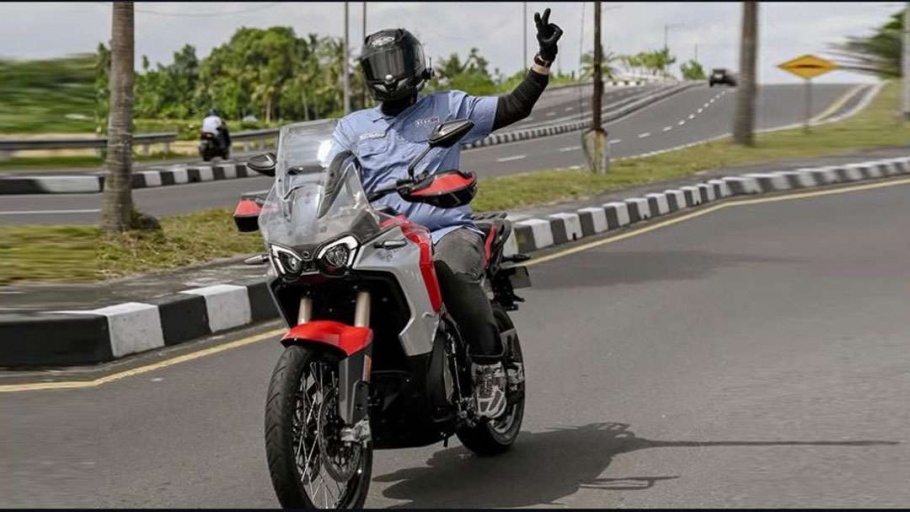
Ananta Rispo's Vehicle Collection, A Motorcycle Modification Enthusiast
25 January 2026, 13:00 WIB
Aisi welcomes President Prabowo Subianto's decision not to apply the 12 percent VAT to all goods.


By Satrio Adhy
KatadataOTO – AISI (Indonesian Motorcycle Industry Association) welcomes the government's decision regarding the implementation of a 12 percent VAT in the country.
According to them, President Prabowo Subianto's way of implementing the new rule is good. Because not all goods are affected.
“Regarding the 12 percent VAT, it's good, because we see the government is very attentive to the current situation and condition of the public,” said Sigit Kumala, Head of the Commercial Division of AISI, to KatadataOTO on Wednesday (8/1).
Sigit explained that the above decision will have a positive impact. Considering the majority of components for two-wheeled vehicles are made domestically.

So, the policy above can encourage the automotive industry to become vibrant again. It also helps maintain public purchasing power.
“It's very good for the domestic industry. So our two-wheeled ecosystem is good and receives attention from the government,” Sigit continued.
He then stated that with the 12 percent VAT not being imposed on all types of motorcycles, it could encourage Honda, Yamaha, Suzuki, and other manufacturers to increase their TKDN (Local Content Level).
“Who knows, they might even become more intense in making new products with an even higher TKDN in Indonesia. So it's not just about importing,” he emphasized.
As a reminder, the 12 percent VAT has been decided to be implemented in Indonesia. The regulation is planned to be fully effective starting February 1, 2025.
However, not all goods and services are affected. For example, motorcycles equipped with engines with a capacity of 110 cc to 160 cc.
This is in accordance with the Minister of Finance Regulation number 141/PMK.010/2021. It explains the Determination of Types of Motor Vehicles Subject to Sales Tax on Luxury Goods and the Procedures for Imposition, Granting, and Administration of Exemption, and Refund of Sales Tax on Luxury Goods.
In article 22, it is stated that PPnBM (Luxury Goods Sales Tax) only applies to certain two-wheeled vehicles, namely those with engine displacements of 250 cc to 500 cc.

They will then be subject to PPnBM at a rate of 60 percent. Meanwhile, if they have an engine with a capacity of more than 500 cc, the rate is set at 95 percent.
Based on the two articles above, it can be confirmed that the 12 percent VAT only applies to big bikes (moge). For example, Harley-Davidson, BMW, and Ducati that are on the road in Indonesia.
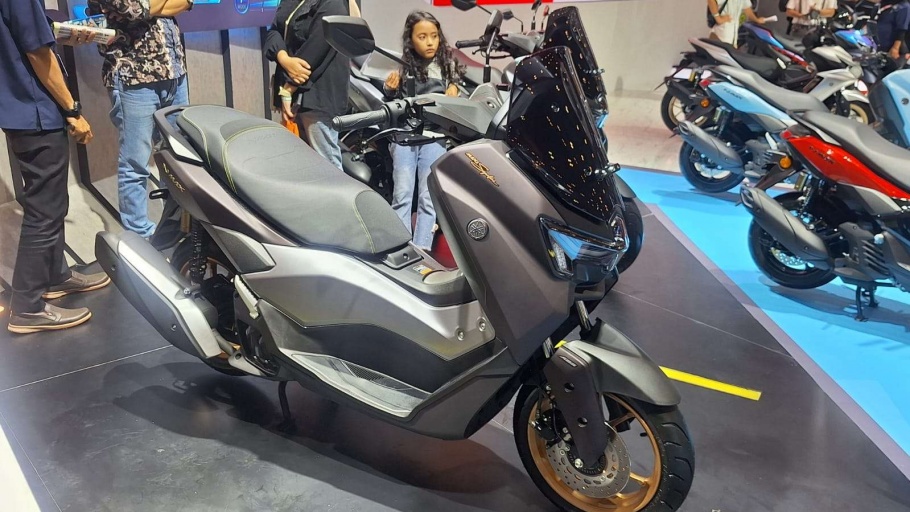
Meanwhile, for motorcycles like the Honda Beat, Honda PCX, Honda Scoopy, Honda Stylo, Yamaha Nmax Turbo, and Yamaha Aerox Alpha, the 12 percent VAT is not applied.
Related Articles
25 January 2026, 13:00 WIB
06 January 2026, 09:00 WIB
05 January 2026, 11:00 WIB
03 January 2026, 17:00 WIB
26 December 2025, 11:00 WIB
Latest
02 February 2026, 10:00 WIB
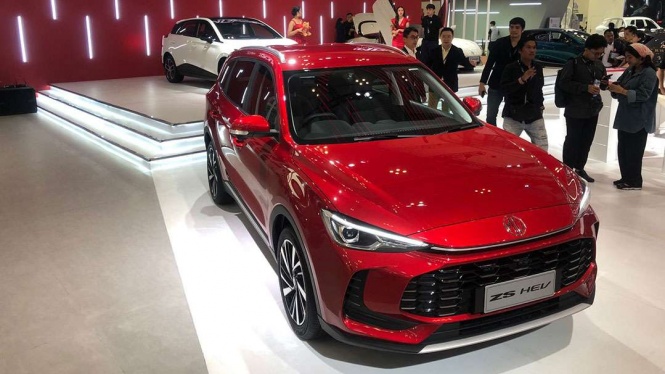
Sales are trailing competitors, and MG declined to elaborate on its sales target for 2026.
02 February 2026, 09:00 WIB
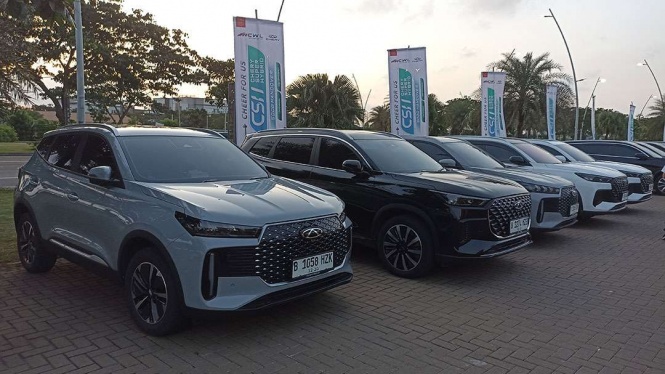
Chery hybrid cars offer more benefits to consumers in Indonesia, making them a popular choice.
02 February 2026, 08:00 WIB
The Police launched Operation Keselamatan Jaya 2026 to curb the number of accidents and traffic violations on the roads.
02 February 2026, 07:00 WIB
Yamaha is confident that the target set by AISI can be achieved this year, with several conditions.
01 February 2026, 17:17 WIB
Toyota FT 86, Vespa Corsa 125, and Toyota Alphard are three of Reza Arap's many vehicles.
01 February 2026, 15:00 WIB
Shell, BP AKR, and Vivo lowered fuel prices for the February 2026 period by varying amounts.
01 February 2026, 13:00 WIB
Toyota Motor Corporation is paying closer attention to its sales in Indonesia, which have significantly declined.
01 February 2026, 11:00 WIB
Toyota group sales break a new record and become the world's best-selling manufacturer in 2025, surpassing Volkswagen.