Europe Lags 20 Years Behind China in EV Battery Development
30 January 2026, 13:00 WIB
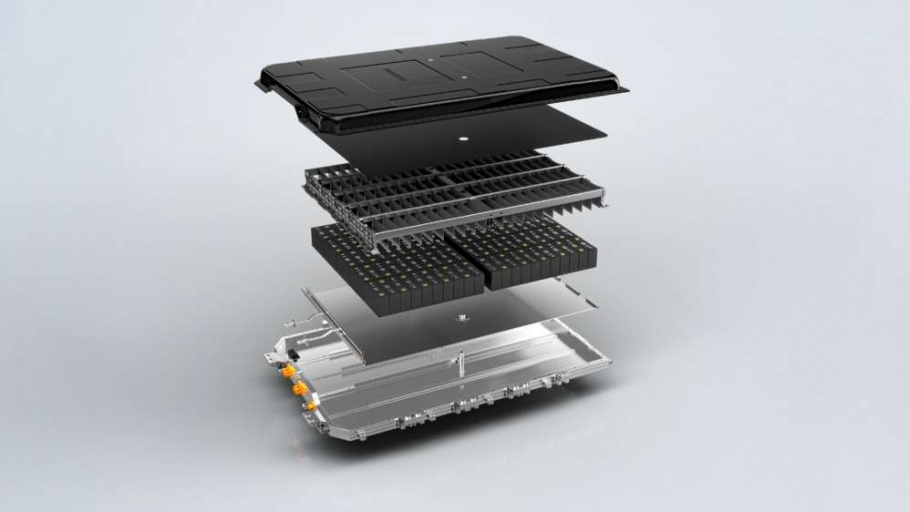
Gaikindo believes that the recommendation for electric vehicle manufacturers to use nickel-based EV batteries will not be effective.

By Adi Hidayat
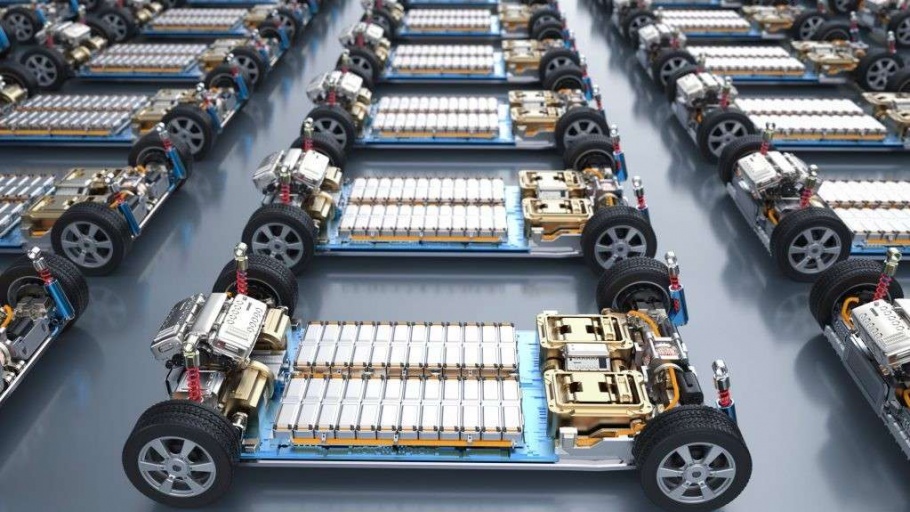
KatadataOTO – The government's call to encourage electric car manufacturers to use nickel-based EV batteries is considered not to be optimal. This is because each vehicle company has its own considerations and strategies.
According to the Association of Indonesian Automotive Industries (Gaikindo), the government's call needs to be reviewed. This is because the government must consider many factors, including the scale of economy.
“The call is good, but don't forget the most important factor is the scale of economy. If it's not economical, manufacturers will not want to invest here," said Kukuh Kumara, Secretary General of Gaikindo, as reported by Antara (08/08).
He acknowledged that the use of local raw materials like nickel can indeed increase the local content level (TKDN). But its application cannot be done arbitrarily on a car.
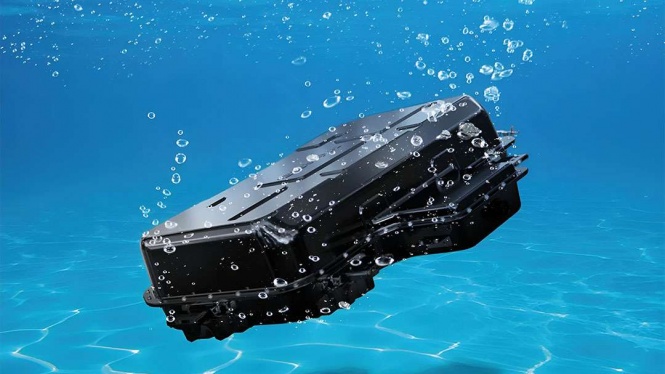
This is because the government also has to consider many things, including industry readiness and technological differences in each vehicle brand.
According to Kukuh, although raw materials like nickel are available, the battery production process still depends on complex technical aspects. Manufacturers also have their own trade secrets.
“It can't just be printed and used immediately. Battery performance is directly related to the technology of each brand,” he said.
Not only that, the production volume of electric vehicles in Indonesia is still relatively limited, so efforts to build a large-scale nickel battery ecosystem need to be based on realistic market potential.
Without a large production scale, battery production costs will remain high, making it difficult to compete globally. Besides the economic scale, he also highlighted the importance of investment in research and development (R&D).
Kukuh also cited China as a country that has successfully developed its EV industry due to strong support for R&D.
Nevertheless, he acknowledged that the idea of using domestic nickel batteries has great potential. This is because logistics costs would become more affordable.
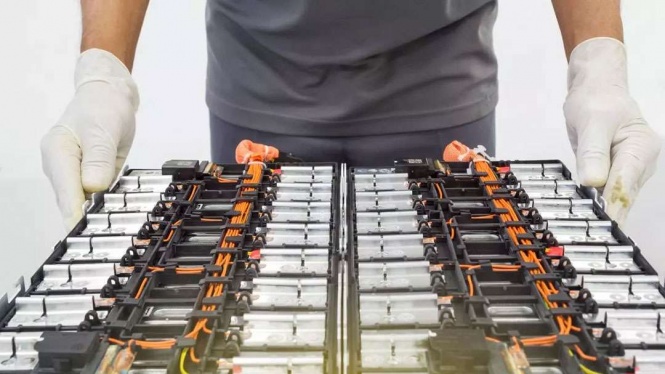
However, he warned that every policy must take everything into account, as changes can disrupt the stability of the automotive industry.
“The main goal is to achieve zero carbon emissions, and this can be achieved in various ways. So, optimize what is already there while continuing to encourage local development gradually and reasonably,” he concluded.
Related Articles
30 January 2026, 13:00 WIB
20 January 2026, 09:00 WIB
19 January 2026, 16:00 WIB
15 January 2026, 16:00 WIB
08 January 2026, 12:00 WIB
Latest
02 February 2026, 10:00 WIB
Sales are trailing competitors, and MG declined to elaborate on its sales target for 2026.
02 February 2026, 09:00 WIB
Chery hybrid cars offer more benefits to consumers in Indonesia, making them a popular choice.
02 February 2026, 08:00 WIB
The Police launched Operation Keselamatan Jaya 2026 to curb the number of accidents and traffic violations on the roads.
02 February 2026, 07:00 WIB
Yamaha is confident that the target set by AISI can be achieved this year, with several conditions.
01 February 2026, 17:17 WIB
Toyota FT 86, Vespa Corsa 125, and Toyota Alphard are three of Reza Arap's many vehicles.
01 February 2026, 15:00 WIB
Shell, BP AKR, and Vivo lowered fuel prices for the February 2026 period by varying amounts.
01 February 2026, 13:00 WIB
Toyota Motor Corporation is paying closer attention to its sales in Indonesia, which have significantly declined.
01 February 2026, 11:00 WIB
Toyota group sales break a new record and become the world's best-selling manufacturer in 2025, surpassing Volkswagen.