Tesla Model S and X Production Halted, Elon Musk Opts to Build Robots
01 February 2026, 09:00 WIB
In China, a national mandate requires manufacturers to ensure electric vehicle batteries cannot catch fire or explode.
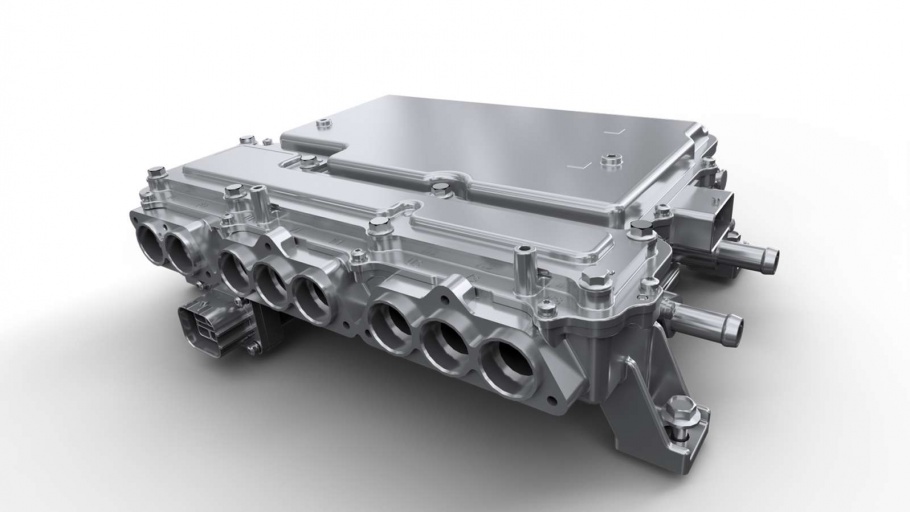

KatadataOTO – The Chinese government is in the final stages of revising national standards for the safety of Electric Vehicle (EV) batteries.
The regulation is further divided into 294 parts for 13 different automotive sectors, and it is mandatory, meaning it must be complied with.
This was revealed in information from the State Administration for Market Regulation in China, as reported by Carnewschina on Sunday (28/12).
It was further explained that there are three main areas of focus for the regulation: developing energy efficiency and emission standards, strengthening product quality and safety, and expanding recycling standards.
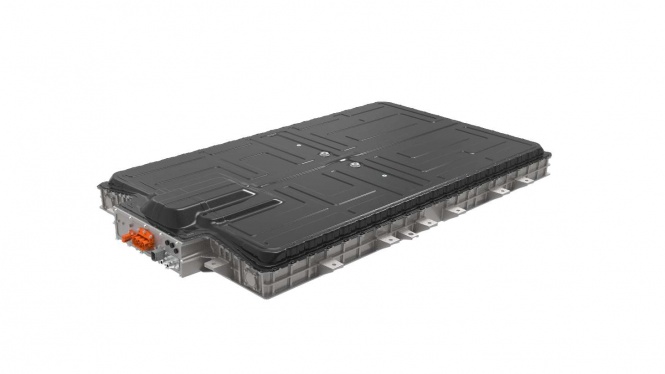
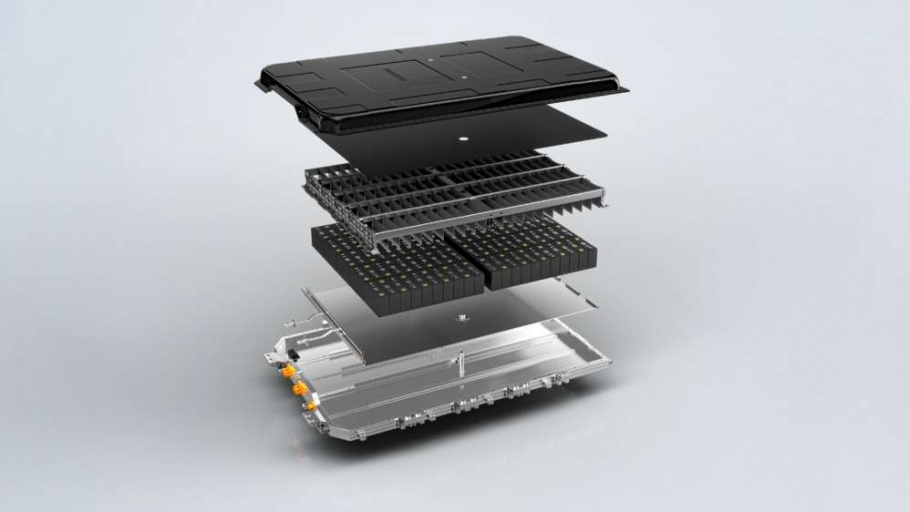
Speaking specifically about batteries, this new rule requires all automotive producers, especially electric car manufacturers, to optimize the battery structure and the component's Thermal Management System.
Thus, various potential dangers from batteries catching fire or exploding can be avoided.
The manufacturer's obligation to ensure batteries do not explode or catch fire has, for the first time, been affirmed as mandatory at the national level.
This decision also marks an advancement in regulations and safety standards for electric cars in China.
“The revised national standard (coded) GB 38031-2025 is scheduled to become effective on July 1, 2026,” wrote the Carnewschina report, quoted on Monday (29/12).
As of that date, all models to be tested must meet this set of criteria. Meanwhile, other vehicles can follow a different scheme until July 1, 2027.
For your information, there are various causes for electric car batteries to catch fire or explode.
For example, the battery component being punctured by another object during an accident. This phenomenon is common in batteries made with Lithium-Ion material.
To anticipate this, many Chinese manufacturers have chosen to use an alternative, namely Lithium Iron Phosphate (LFP), as used by BYD.

Batteries with LFP material are said to have a more stable chemical structure and are more resistant to decomposition at high temperatures.
Complementing this, LFP batteries are generally equipped with a Battery Management System or BMS that helps monitor and control the battery's condition.
Thus, issues like overvoltage or overheating can be anticipated before the condition worsens.
Related Articles
01 February 2026, 09:00 WIB
31 January 2026, 19:00 WIB
31 January 2026, 15:00 WIB
30 January 2026, 18:00 WIB
30 January 2026, 13:00 WIB
Latest
02 February 2026, 10:00 WIB
Sales are trailing competitors, and MG declined to elaborate on its sales target for 2026.
02 February 2026, 09:00 WIB
Chery hybrid cars offer more benefits to consumers in Indonesia, making them a popular choice.
02 February 2026, 08:00 WIB
The Police launched Operation Keselamatan Jaya 2026 to curb the number of accidents and traffic violations on the roads.
02 February 2026, 07:00 WIB
Yamaha is confident that the target set by AISI can be achieved this year, with several conditions.
01 February 2026, 17:17 WIB
Toyota FT 86, Vespa Corsa 125, and Toyota Alphard are three of Reza Arap's many vehicles.
01 February 2026, 15:00 WIB
Shell, BP AKR, and Vivo lowered fuel prices for the February 2026 period by varying amounts.
01 February 2026, 13:00 WIB
Toyota Motor Corporation is paying closer attention to its sales in Indonesia, which have significantly declined.
01 February 2026, 11:00 WIB
Toyota group sales break a new record and become the world's best-selling manufacturer in 2025, surpassing Volkswagen.