Chinese Car Sales Projected to Surpass Japan This Year
30 December 2025, 18:00 WIB
The government is considered to need to further clarify the regulations concerning the Domestic Content Level (TKDN) for imported electric vehicles re


KatadataOTO – The Domestic Component Level (TKDN) regulations for electric cars are currently considered not strict enough. Various manufacturers are said to have not yet utilized local component suppliers.
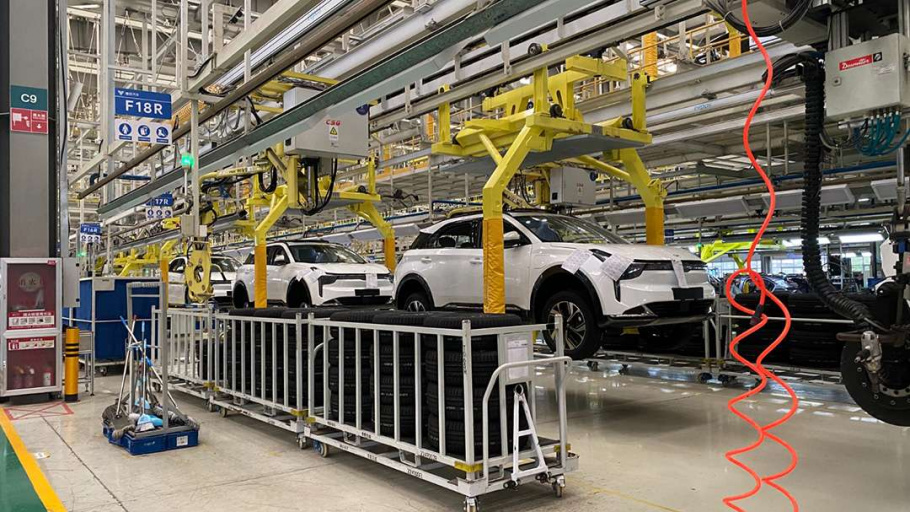
It should be noted that in 2026, manufacturers receiving incentives for imported Electric Vehicles (EVs) are required to conduct local assembly corresponding to the number of sold units brought into Indonesia completely built-up.
However, the Association of Indonesian Automotive Parts and Components Industries or GIAMM highlights that the regulations regarding local assembly are still not strict enough.
It was explained that the Completely Knocked Down (CKD) procedure itself already contributes 30 percent to the TKDN. Meanwhile, the minimum requirement that each manufacturer must meet is 40 percent.
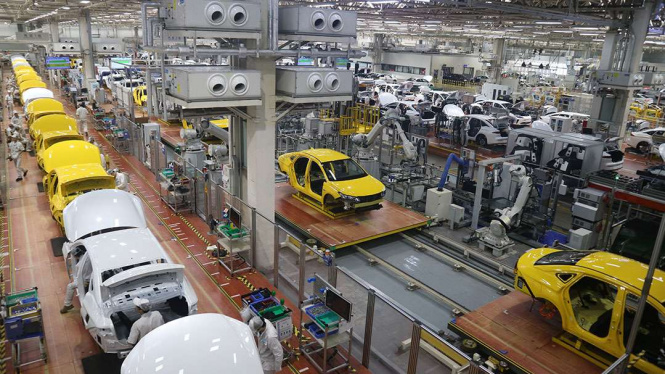
As a result, various manufacturers receiving incentives for imported electric cars have not maximized localization as expected.
GIAMM hopes the government can pay attention to this policy so that the domestic component industry can also be helped.
Considering that for three consecutive years, GIAMM revealed that the component industry has faced many challenges and declines.
“For electric cars, the government is also strongly encouraged to start localization, utilizing the existing domestic parts or component industries,” said Rachmat Basuki, Secretary General of GIAMM to KatadataOTO, on Tuesday (30/12).
According to Rachmat, the list of manufacturers required to conduct local assembly next year has not yet utilized domestic components.
In fact, the incentive policy is expected to be able to revitalize the component industry in 2026 after a decline due to the onslaught of imports.
“Domestically assembled electric cars have not yet implemented localization,” Rachmat emphasized.
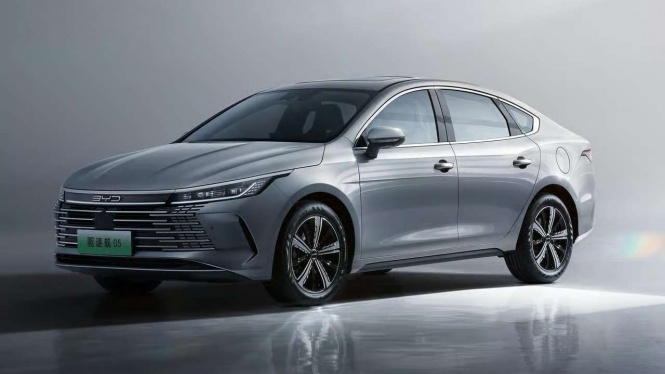
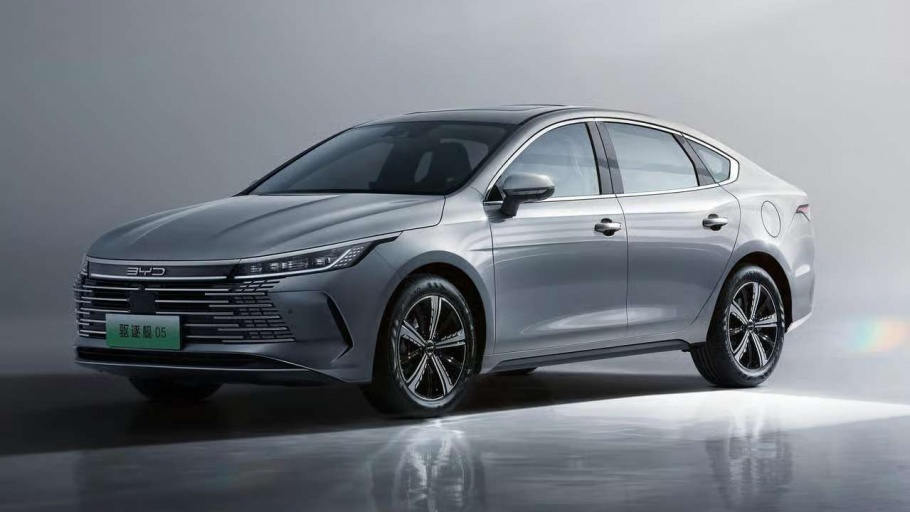
The first manufacturer to benefit from the imported electric car incentive is BYD. Thanks to this subsidy, the price of BYD EVs is considered competitive despite their Completely Built Up (CBU) status.

Next is Citroen. This brand had imported a number of Citroen e-C3 electric car units completely built-up before then assembling them locally at the facility owned by Indomobil Group, National Assemblers.
After BYD and Citroen, other Chinese brands followed suit. There are GAC, Geely, and Xpeng, and then the manufacturer from Vietnam, VinFast.
All of them are required to assemble their vehicle lines in Indonesia starting in 2026, corresponding to the number of imported units delivered to consumers while receiving the incentives.
1
2
3
4
5
Related Articles
30 December 2025, 18:00 WIB
30 December 2025, 16:00 WIB
30 December 2025, 13:00 WIB
29 December 2025, 19:00 WIB
29 December 2025, 15:00 WIB
Latest
31 December 2025, 09:00 WIB
The Department of Transportation has prepared Car Free Night parking areas to make it easier for people who bring vehicles.
31 December 2025, 08:00 WIB
The Transportation Agency will implement traffic management at TMII and Ragunan to avoid congestion on New Year's Eve.
31 December 2025, 07:00 WIB
The motorcycle collection of a former athlete and FBI fugitive has garnered attention, featuring many historic bikes from Moto2 to MotoGP.
30 December 2025, 19:00 WIB
The prohibition of flush or hidden electric door handles on Chinese cars will revolutionize vehicle design.
30 December 2025, 18:00 WIB
30 December 2025, 16:00 WIB
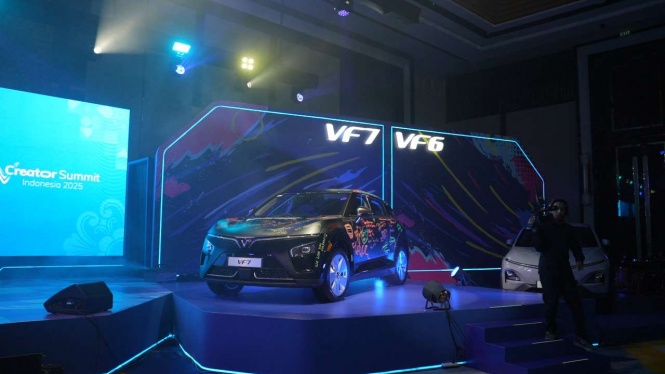
VinFast Indonesia stated that they are ready to fulfill their obligations for the CBU incentives they have received.
30 December 2025, 14:00 WIB
According to Ministry of Transportation data, electric motorcycles that have obtained SRUT in 2025 amounted to only 55,059 units, or a decrease of 28.
30 December 2025, 13:00 WIB
The lithium battery industry is affected by the projected decline in electric vehicle sales in China.