Tesla Model S and X Production Halted, Elon Musk Opts to Build Robots
01 February 2026, 09:00 WIB
The absence of automotive incentives could impact car prices, including EVs, purchasing power, and investment decisions.
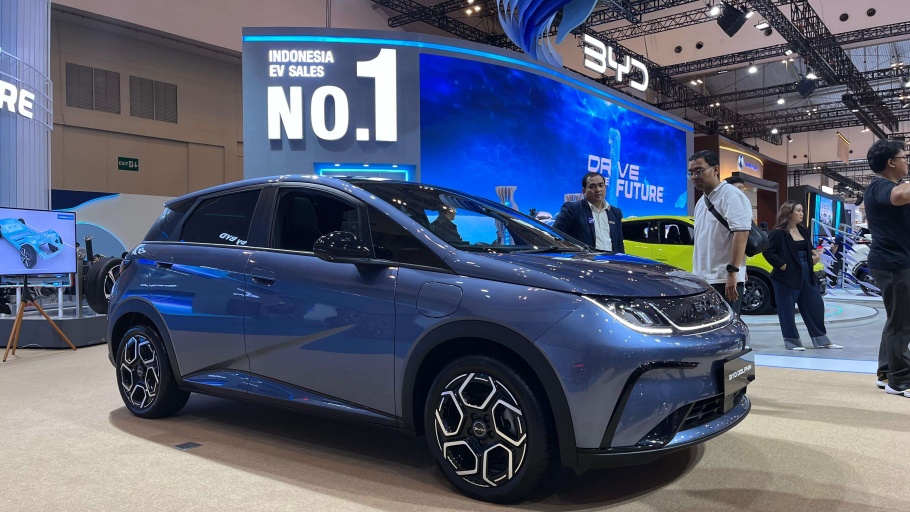

KatadataOTO – The government seems unlikely to provide automotive incentives in 2026 like those disbursed some time ago. This could have an impact on many things.
One of them is the price of electric cars or Electric Vehicles (EVs). It should be noted that many brands currently meet criteria such as a minimum of 40 percent Local Content Level (TKDN), making them eligible for incentives.
Automotive incentives for electric cars are given in the form of tax cuts. Thanks to these subsidies, EV sales in Indonesia have started to show a positive trend.
Consequently, more investors are interested in investing capital. In addition, these automotive incentives also apply to Completely Built Up (CBU) cars, or fully imported vehicles, with a commitment to local assembly in 2026.
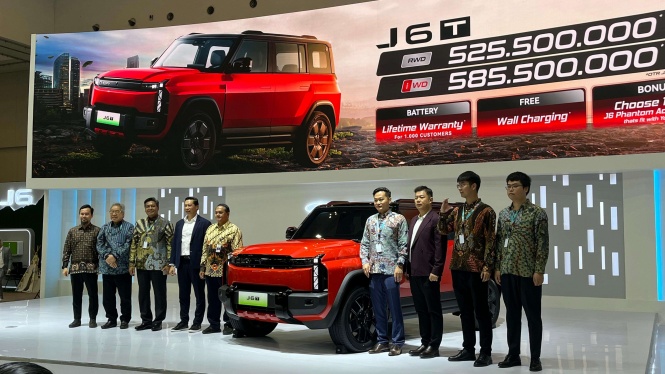
Without this assistance, the price of electric cars is predicted to increase quite significantly.
“Without incentives, the selling price could increase by up to 11 percent for taxes alone, or a total of 5 to 30 percent depending on the segment, and directly reduce consumer purchasing power,” said Yannes Martinus Pasaribu, an automotive observer and academic from the Bandung Institute of Technology (ITB), to KatadataOTO recently.
He emphasized that the absence of incentives will have a major impact on cars in the lower-middle segment, which is a market sensitive to price changes, such as the Low Cost Green Car (LCGC).
Then, after car prices increase, many potential buyers are predicted to postpone their purchases again.
“Especially millennials and Gen Z, who are rational and value-oriented, might postpone their decision to buy or switch to used cars,” said Yannes.
Ultimately, the absence of automotive incentives risks slowing down market growth and the adoption of locally assembled electric cars.
The difference of opinion between the Ministry of Industry and the Ministry of Economy regarding automotive incentives also creates uncertainty for many parties.
“Consumers are increasingly hesitant to make large purchases like cars, investors are reluctant to make new investments, and the industry, which has been sluggish since 2025, will sink further without a clear signal from the government,” Yannes asserted.
Therefore, a directed and unified policy is needed, especially regarding automotive incentives as a stimulus for the sluggish market.
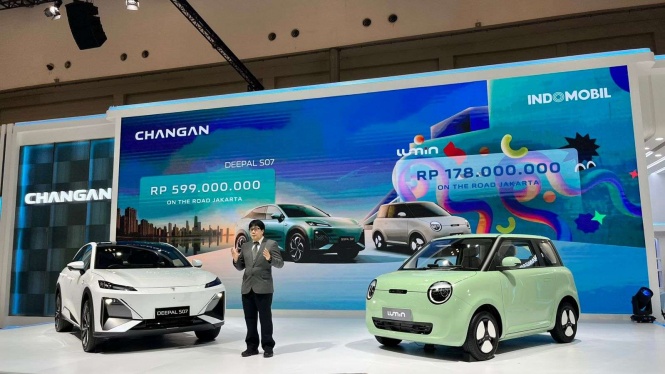
For your information, Gaikindo has revised its new car sales target for 2025 to 780,000 units.
Previously, Gaikindo had set an optimistic target in the range of 850,000 to 900,000 units by the end of 2025.
However, seeing that the economic conditions have not fully recovered, the target was eventually revised.
Related Articles
01 February 2026, 09:00 WIB
31 January 2026, 19:00 WIB
31 January 2026, 15:00 WIB
30 January 2026, 19:00 WIB
30 January 2026, 18:00 WIB
Latest
02 February 2026, 10:00 WIB
Sales are trailing competitors, and MG declined to elaborate on its sales target for 2026.
02 February 2026, 09:00 WIB
Chery hybrid cars offer more benefits to consumers in Indonesia, making them a popular choice.
02 February 2026, 08:00 WIB
The Police launched Operation Keselamatan Jaya 2026 to curb the number of accidents and traffic violations on the roads.
02 February 2026, 07:00 WIB
Yamaha is confident that the target set by AISI can be achieved this year, with several conditions.
01 February 2026, 17:17 WIB
Toyota FT 86, Vespa Corsa 125, and Toyota Alphard are three of Reza Arap's many vehicles.
01 February 2026, 15:00 WIB
Shell, BP AKR, and Vivo lowered fuel prices for the February 2026 period by varying amounts.
01 February 2026, 13:00 WIB
Toyota Motor Corporation is paying closer attention to its sales in Indonesia, which have significantly declined.
01 February 2026, 11:00 WIB
Toyota group sales break a new record and become the world's best-selling manufacturer in 2025, surpassing Volkswagen.