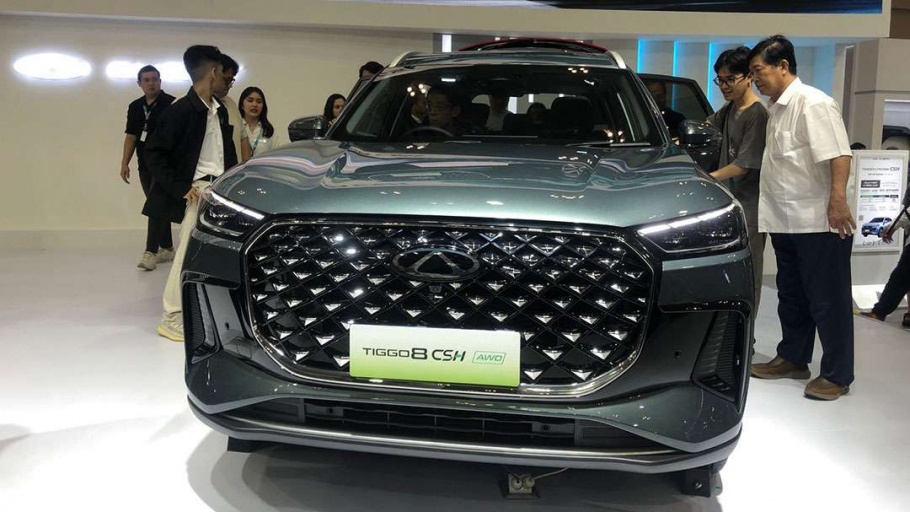
Chery Confident Car Sales Will Grow in 2026, Here's Why
30 January 2026, 19:00 WIB
Automotive incentives should target the growth of the domestic component industry to ensure balance.
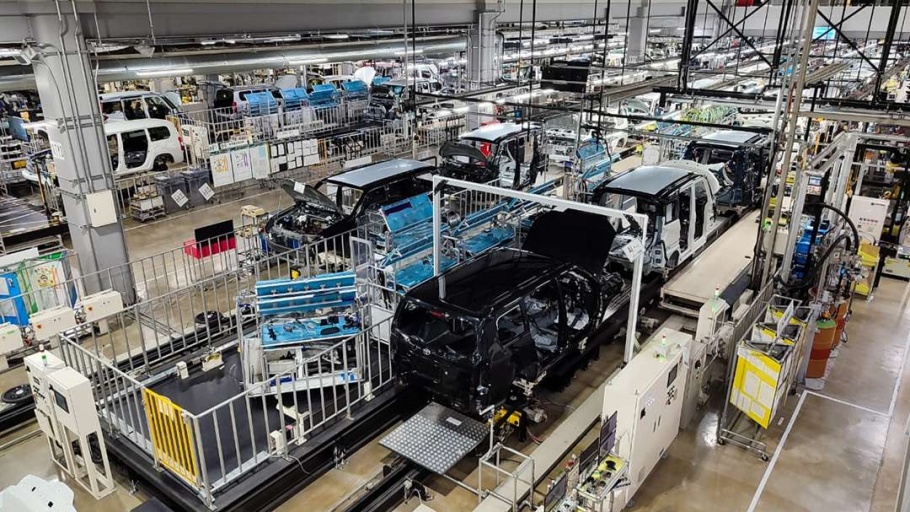

KatadataOTO – Automotive incentives are still hoped for by various parties to help support four-wheeled vehicle sales next year.
Subsidies from the government not only contribute to reducing car prices but also stimulate the domestic component industry.
However, in practice, automotive incentives such as those given to imported electric cars are said to be unable to absorb local components optimally.
Therefore, the Association of Indonesian Automotive Parts & Components Industries (GIAMM) hopes for automotive incentives that pay more attention to the Domestic Component Level or TKDN of a vehicle.
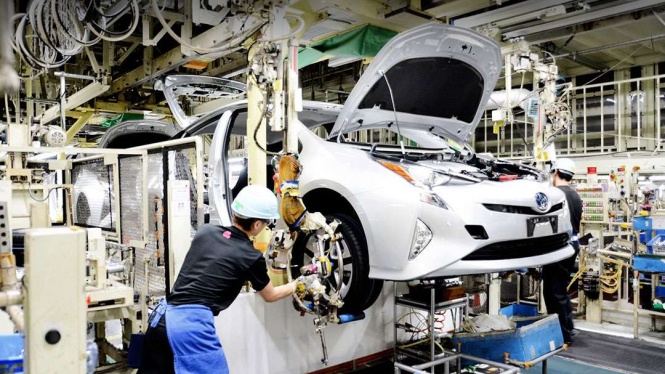
“GIAMM itself hopes that in 2026 the government can provide stimulus for vehicles with high local content,” said Rachmat Basuki, Secretary General of GIAMM to KatadataOTO, Monday (29/12).
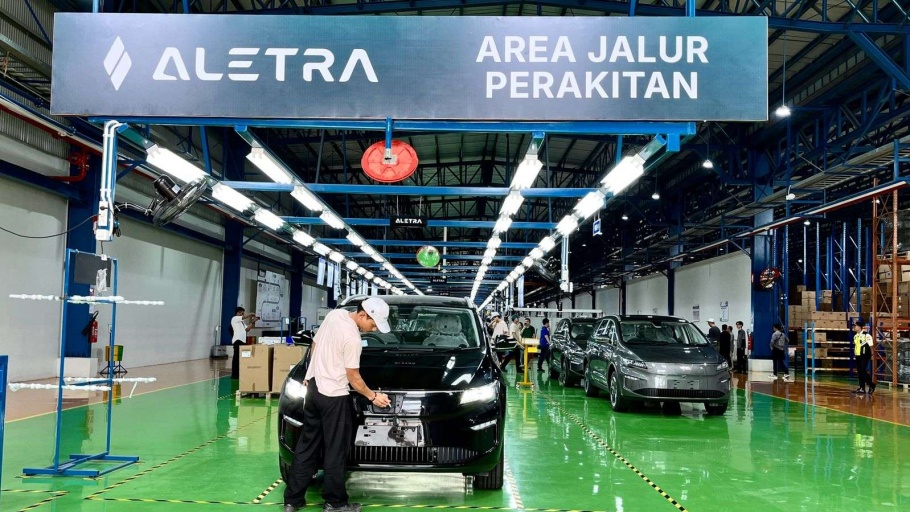
He emphasized that automotive incentives for locally assembled cars with high TKDN are considered helpful in increasing car sales to recover back to one million units.
“The domestic component or parts industry is also helped, as it has been declining for three consecutive years,” Rachmat stressed.
In Indonesia, several vehicle models already have a local content level above 40 percent.
For example, the product lineup in the Low Cost Green Car (LCGC) segment. The five LCGC models in the country have indeed received automotive incentives until 2031.
The incentive means LCGCs are only subject to a Luxury Goods Sales Tax (PPnBM) rate of just three percent.
In addition, Rachmat highlighted that there are still various other potential models that could be given subsidies because they have high TKDN and utilize local components optimally.
“That's right, many cars produced in Indonesia have high local content besides LCGCs,” said Rachmat.
However, it should be noted that TKDN is not the sole criterion for cars receiving LCGC incentives. The amount of emissions produced is also a consideration.
If traced, there are several four-wheeled vehicle models in the country with a TKDN above 40 percent.
For example, the Sport Utility Vehicle (SUV) Mitsubishi Xforce and Destinator. Then the Multi Purpose Vehicle (MPV) Toyota Kijang Innova Zenix.
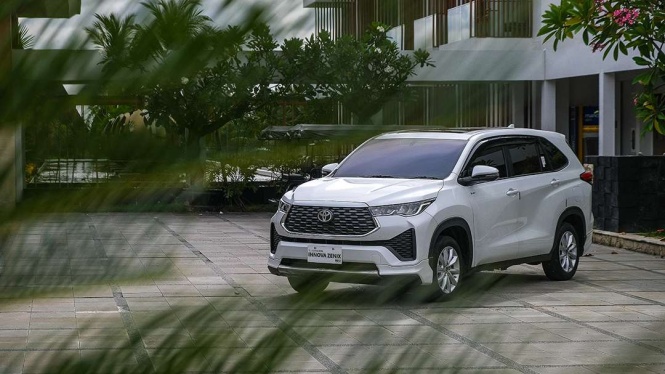
Specifically for the Innova Zenix, its hybrid variant has a TKDN of 60 percent. Meanwhile, the gasoline engine type is higher at 85 percent.
Then there is the MPV that is a favorite of domestic consumers, the Toyota Avanza. The local component of the Avanza is currently claimed to be above 80 percent.
The provision of well-targeted incentives is expected to contribute to advancing the automotive component industry in Indonesia.
Related Articles
30 January 2026, 19:00 WIB
29 January 2026, 12:00 WIB
27 January 2026, 16:00 WIB
24 January 2026, 13:00 WIB
24 January 2026, 09:00 WIB
Latest
02 February 2026, 10:00 WIB
Sales are trailing competitors, and MG declined to elaborate on its sales target for 2026.
02 February 2026, 09:00 WIB
Chery hybrid cars offer more benefits to consumers in Indonesia, making them a popular choice.
02 February 2026, 08:00 WIB
The Police launched Operation Keselamatan Jaya 2026 to curb the number of accidents and traffic violations on the roads.
02 February 2026, 07:00 WIB
Yamaha is confident that the target set by AISI can be achieved this year, with several conditions.
01 February 2026, 17:17 WIB
Toyota FT 86, Vespa Corsa 125, and Toyota Alphard are three of Reza Arap's many vehicles.
01 February 2026, 15:00 WIB
Shell, BP AKR, and Vivo lowered fuel prices for the February 2026 period by varying amounts.
01 February 2026, 13:00 WIB
Toyota Motor Corporation is paying closer attention to its sales in Indonesia, which have significantly declined.
01 February 2026, 11:00 WIB
Toyota group sales break a new record and become the world's best-selling manufacturer in 2025, surpassing Volkswagen.