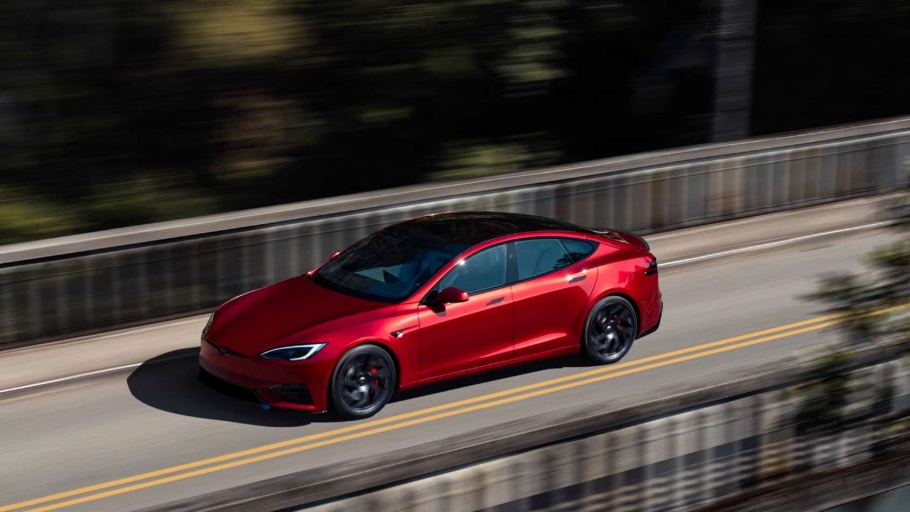
Tesla Model S and X Production Halted, Elon Musk Opts to Build Robots
01 February 2026, 09:00 WIB
Gaikindo regrets the cancellation of LG's investment, which had previously planned to build an EV battery factory in Indonesia.


By Adi Hidayat
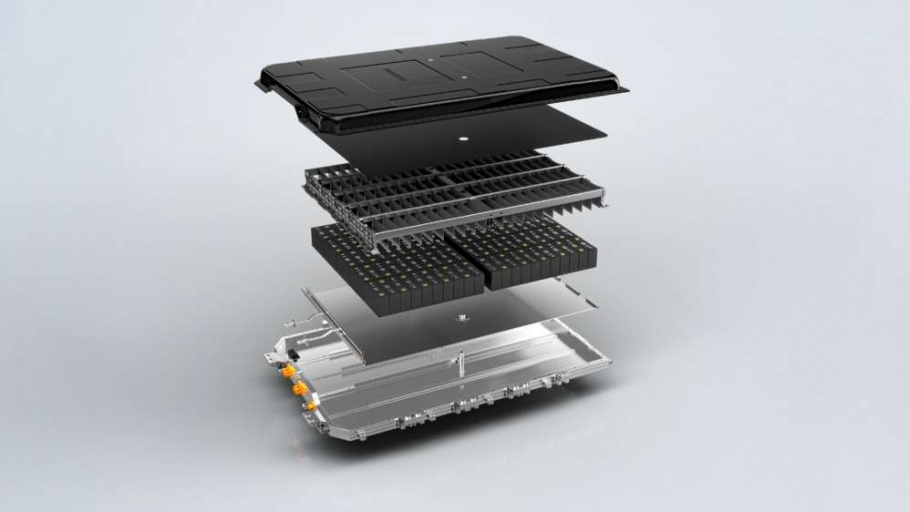
KatadataOTO – The Association of Indonesia Automotive Industries (Gaikindo) regrets the cancellation of the investment by the South Korean consortium led by LG in the country. This comes at a time when the automotive industry is trying to attract foreign investors.
Moreover, the planned investment value was very large, at 11 trillion Won or around Rp 130 trillion.
“It's a shame the investment didn't go through, as we are in need of investors for Indonesia,” said Jongkie D. Sugiarto, Chairman I of Gaikindo, to KatadataOTO (21/04).
However, according to him, this situation will not have a significant impact on the development of the electric vehicle industry in the country, especially since sales are still continuing to grow.

“I don't think it will have a significant impact. There will surely be other companies to provide the needed battery packs,” he then added.
It was previously reported that the South Korean consortium canceled its investment plan of 11 trillion Won or around Rp 130 trillion in Indonesia. They had originally intended to participate in building the electric vehicle battery supply chain in the country.
Reporting from Yonhap, the consortium, consisting of LG Energy Solution, LG Chem, LX International Corp, and several other partners, had actually made a commitment to the Indonesian government. They planned to build EV batteries and their ecosystem by partnering with state-owned enterprises.
Thus, the entire process, from raw material procurement, production, battery cell manufacturing, and so on, would be carried out in the country. This was supported by the fact that Indonesia is the world's largest nickel producer, a key material in electric vehicle batteries.
However, the consortium decided to abandon the project after consulting with the Indonesian government. They revealed an industry shift indicating a slowdown in global demand for electric cars.

"Considering the market conditions and investment environment, we have decided to exit the project," said an official from LG Energy Solution (21/04).
Nevertheless, they affirmed that they will continue their existing business in the country. One of these is the Hyundai LG Indonesia Green Power (HLI Green Power) battery factory, a joint venture with Hyundai Motor Group.
Related Articles
01 February 2026, 09:00 WIB
31 January 2026, 19:00 WIB
31 January 2026, 15:00 WIB
30 January 2026, 18:00 WIB
30 January 2026, 13:00 WIB
Latest
02 February 2026, 10:00 WIB
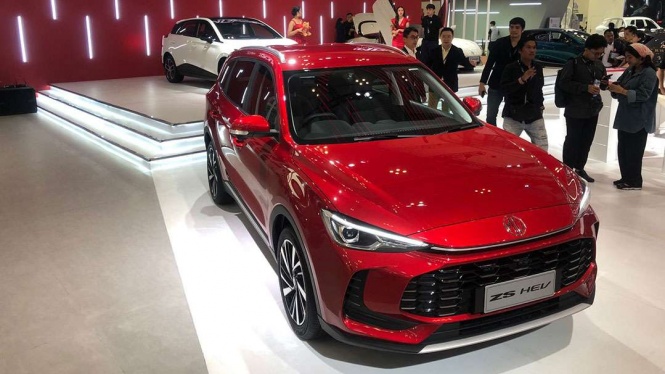
Sales are trailing competitors, and MG declined to elaborate on its sales target for 2026.
02 February 2026, 09:00 WIB
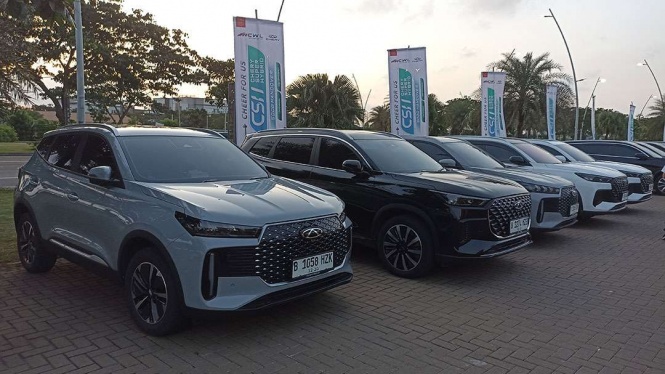
Chery hybrid cars offer more benefits to consumers in Indonesia, making them a popular choice.
02 February 2026, 08:00 WIB
The Police launched Operation Keselamatan Jaya 2026 to curb the number of accidents and traffic violations on the roads.
02 February 2026, 07:00 WIB
Yamaha is confident that the target set by AISI can be achieved this year, with several conditions.
01 February 2026, 17:17 WIB
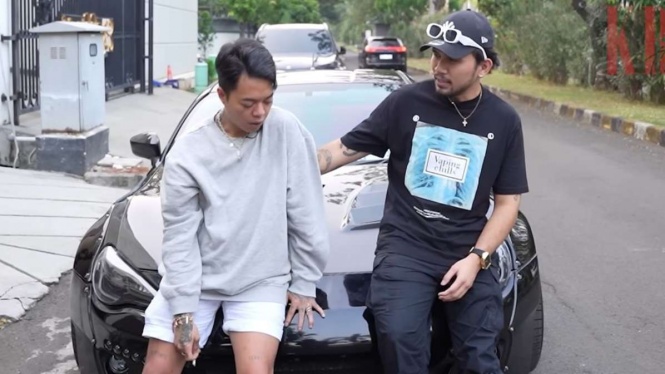
Toyota FT 86, Vespa Corsa 125, and Toyota Alphard are three of Reza Arap's many vehicles.
01 February 2026, 15:00 WIB
Shell, BP AKR, and Vivo lowered fuel prices for the February 2026 period by varying amounts.
01 February 2026, 13:00 WIB
Toyota Motor Corporation is paying closer attention to its sales in Indonesia, which have significantly declined.
01 February 2026, 11:00 WIB
Toyota group sales break a new record and become the world's best-selling manufacturer in 2025, surpassing Volkswagen.