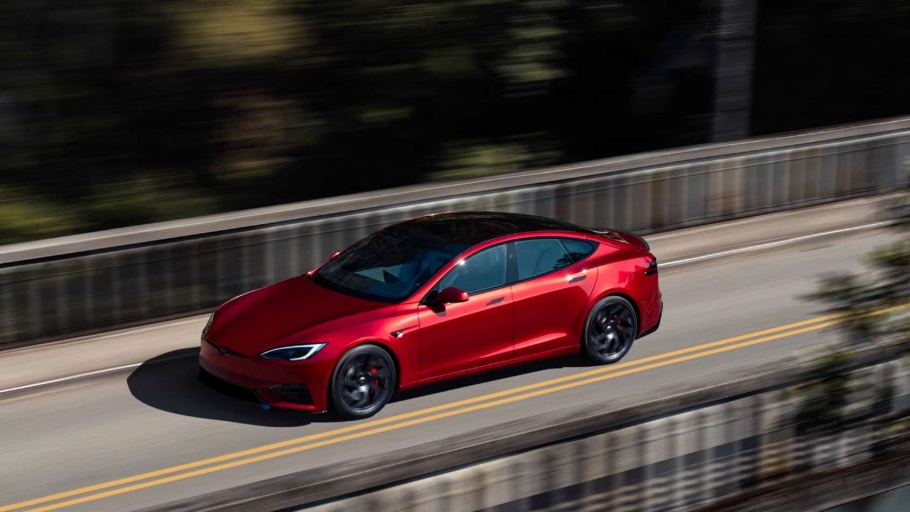
Tesla Model S and X Production Halted, Elon Musk Opts to Build Robots
01 February 2026, 09:00 WIB
The processing of electric car battery waste is said to be the responsibility of manufacturers, supported by government regulations.

KatadataOTO – The population growth of electric and hybrid cars in Indonesia is growing slowly. In May 2025, the wholesales (distribution from factory to dealer) of EVs (Electric Vehicles) surpassed hybrids.
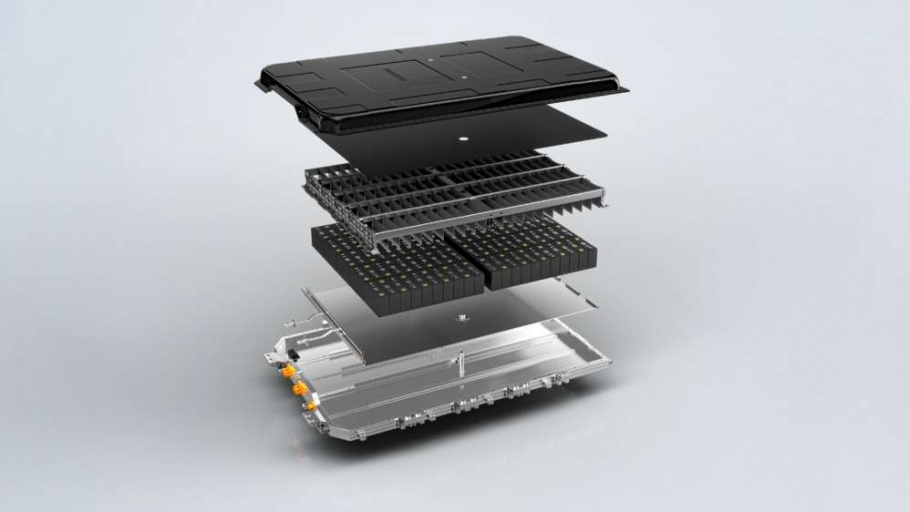
It should be noted that both types of vehicles are equipped with a component in the form of a battery as a power source.
Although the growth of environmentally friendly vehicles is good, another obstacle awaits, namely the processing of electric car battery waste.
With a limited lifespan, the processing of used electric car batteries must be reconsidered. Given that this component cannot be disposed of carelessly.

“Battery depots (for waste processing) should be prepared from now, not in one or two years. One car contains thousands of battery (cells),” said Prof. Dr. rer. nat. Evvy Kartini, Founder of the National Battery Research Institute, when met on the sidelines of the Populix x Forwot event on Tuesday (01/07).
She emphasized that regulations for processing electric car battery waste need to be designed earlier, as has been implemented in several other countries.
When a brand plans to introduce a product, there is a third party ready to take its waste to be reprocessed.
This power storage component cannot be disposed of carelessly. Besides containing chemical substances, the potential for the battery to explode is always there, even if its capacity is at zero percent.
“If the battery is low, there is still about 20 percent left. The voltage doesn't reach zero, it's actually still there,” said Prof. Evvy.
Furthermore, she emphasized that regulations regarding battery waste processing need to be imposed on electric vehicle manufacturers, for both two-wheeled and four-wheeled vehicles.
“The government can create what is called a depot, a used battery depot. That must be designed, thought about from now on,” stressed Prof. Evvy.

For your information, according to the KLH (Ministry of Environment and Forestry), facilities for processing conventional battery waste already exist.
Specifically for handling electric car batteries, there needs to be cooperation between industry players supported by regulations.
“This battery waste will be much larger than conventional batteries when we increase the use of electric vehicles to 15 million units by 2030,” said Ary Sudjianto, Deputy for Climate Change Control and Carbon Economic Value Governance of KLH/BPLH at the JAMALube Oil Seminar 2025 some time ago.
Related Articles
01 February 2026, 09:00 WIB
31 January 2026, 19:00 WIB
31 January 2026, 15:00 WIB
30 January 2026, 18:00 WIB
30 January 2026, 13:00 WIB
Latest
02 February 2026, 10:00 WIB
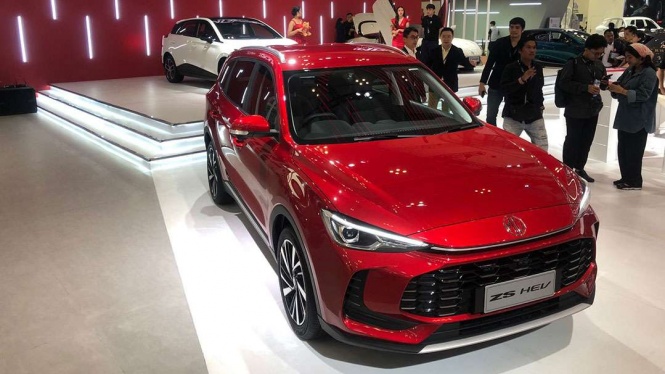
Sales are trailing competitors, and MG declined to elaborate on its sales target for 2026.
02 February 2026, 09:00 WIB
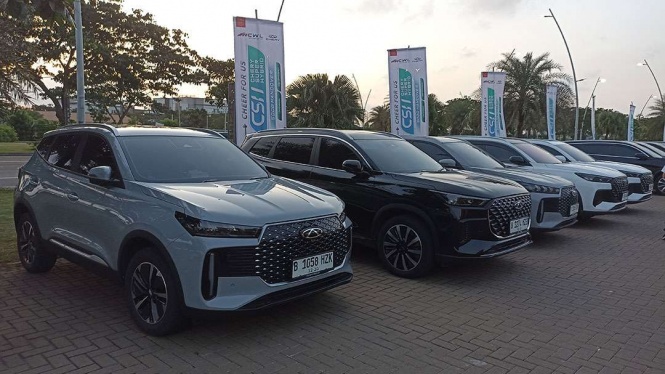
Chery hybrid cars offer more benefits to consumers in Indonesia, making them a popular choice.
02 February 2026, 08:00 WIB
The Police launched Operation Keselamatan Jaya 2026 to curb the number of accidents and traffic violations on the roads.
02 February 2026, 07:00 WIB
Yamaha is confident that the target set by AISI can be achieved this year, with several conditions.
01 February 2026, 17:17 WIB
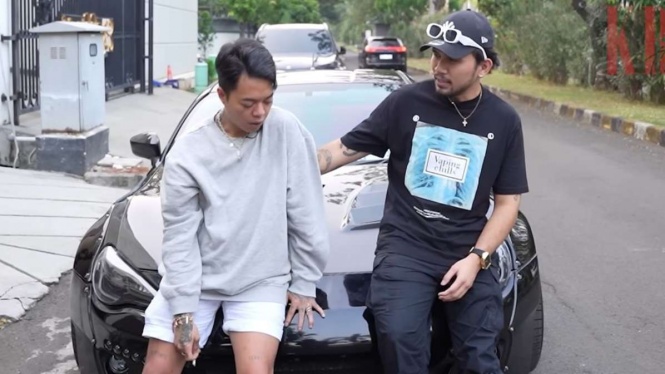
Toyota FT 86, Vespa Corsa 125, and Toyota Alphard are three of Reza Arap's many vehicles.
01 February 2026, 15:00 WIB
Shell, BP AKR, and Vivo lowered fuel prices for the February 2026 period by varying amounts.
01 February 2026, 13:00 WIB
Toyota Motor Corporation is paying closer attention to its sales in Indonesia, which have significantly declined.
01 February 2026, 11:00 WIB
Toyota group sales break a new record and become the world's best-selling manufacturer in 2025, surpassing Volkswagen.