MG Sets Modest Sales Targets for 2026
02 February 2026, 10:00 WIB
The electrification transition from conventional cars to EVs is considered not yet optimal, leading to a market decline.

KatadataOTO – Entering 2025, the automotive industry faces a series of challenges that have impacted the weakening of domestic four-wheeled vehicle sales.
At the beginning of the year, data from Gaikindo (Association of Indonesian Automotive Industries) revealed that wholesales figures (distribution from factory to dealer) were at 61,843 units.
In comparison, this achievement decreased by 11.3 percent year-on-year compared to the same period the previous year, which was 69,758 units.
Then for two consecutive quarters, the DPR (House of Representatives) assessed that the decline in car sales is a signal of weakening household consumption and the national automotive industry during the transition period.

“This is not just a market fluctuation, but a combination of weakening purchasing power, global uncertainty, and an electric vehicle transition that is not yet supported by a mature ecosystem,” said M. Hanif Dhakiri, Deputy Chairman of Commission XI of the DPR RI, quoted from his statement on Thursday (24/04).
He further highlighted that this shows pressure on middle-class consumption and market doubts about the direction of the automotive industry's transformation.
According to him, a number of consumers tend to postpone the purchase of conventional or gasoline-powered cars.
Because they expect the price of electric cars or EVs (Electric Vehicles) to become more affordable in the near future, especially with assistance in the form of tax incentives from the government.
But in reality, he assesses that the EV ecosystem is not yet ready. For example, SPKLU (Public Electric Vehicle Charging Stations) are limited, local components are minimal, and technology depends on imports.
“A transition is necessary, but it should not create an economic vacuum. The government should not act as if the old industry can just be left behind,” he said.

For brands that have met the TKDN (Domestic Component Level) requirement of at least 40 percent or have an investment commitment for local assembly, the government provides incentives.
The subsidy is given in the form of a 10 percent PPN (Value Added Tax) reduction. Examples of models receiving the incentive are the Hyundai Ioniq 5, BYD Seal, and Neta X.
However, for hybrid cars, the incentive is not as large as for BEVs (Battery Electric Vehicles), which is three percent.
In fact, in terms of sales, hybrid cars record higher figures because their models are varied and their prices are more competitive compared to pure electric cars.
Related Articles
02 February 2026, 10:00 WIB
01 February 2026, 09:00 WIB
31 January 2026, 19:00 WIB
31 January 2026, 15:00 WIB
30 January 2026, 18:00 WIB
Latest
02 February 2026, 10:00 WIB
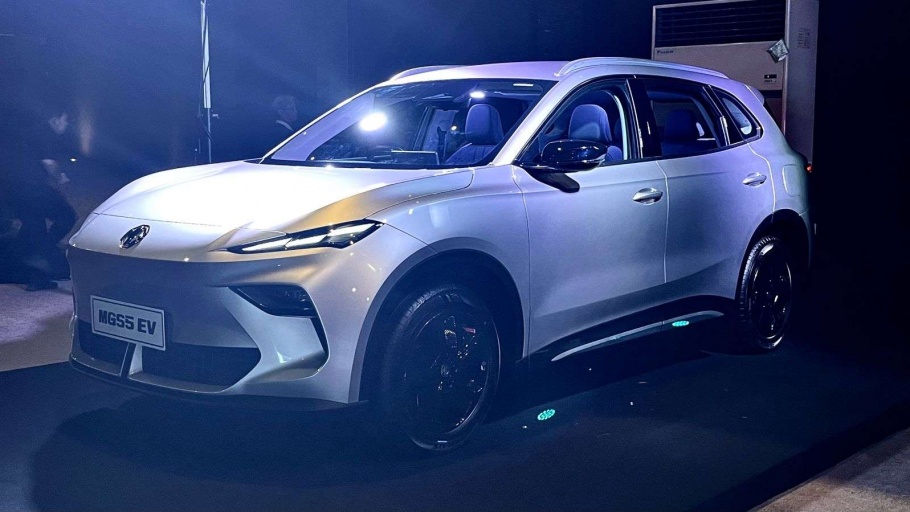
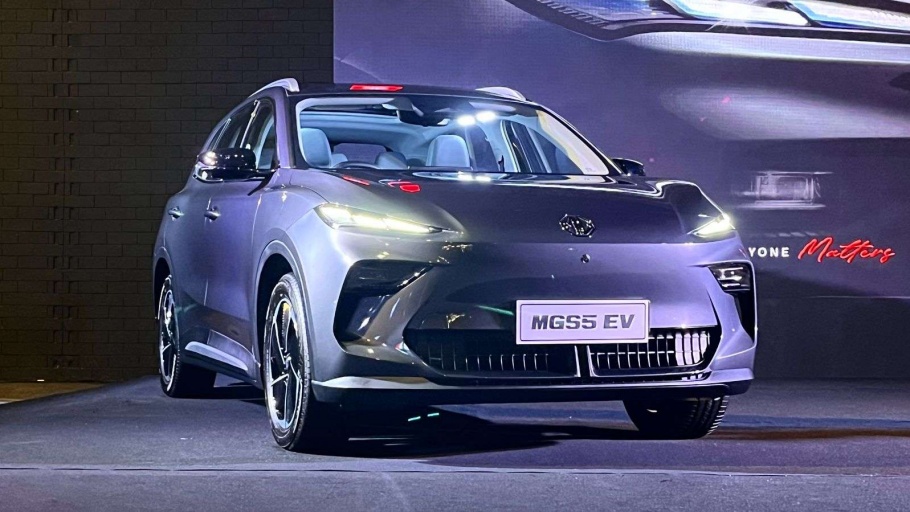
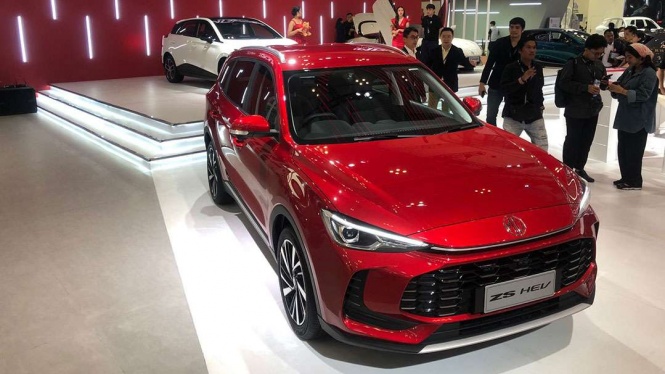
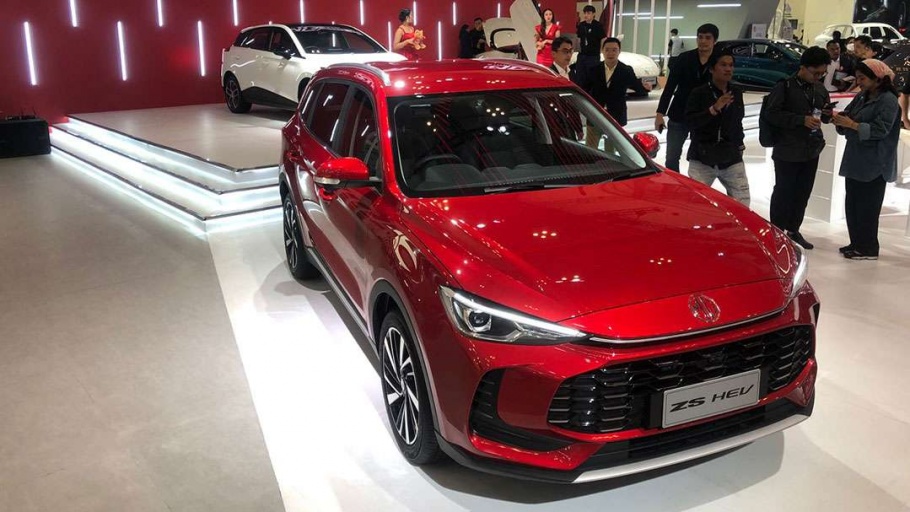
Sales are trailing competitors, and MG declined to elaborate on its sales target for 2026.
02 February 2026, 09:00 WIB
Chery hybrid cars offer more benefits to consumers in Indonesia, making them a popular choice.
02 February 2026, 08:00 WIB
The Police launched Operation Keselamatan Jaya 2026 to curb the number of accidents and traffic violations on the roads.
02 February 2026, 07:00 WIB
Yamaha is confident that the target set by AISI can be achieved this year, with several conditions.
01 February 2026, 17:17 WIB
Toyota FT 86, Vespa Corsa 125, and Toyota Alphard are three of Reza Arap's many vehicles.
01 February 2026, 15:00 WIB
Shell, BP AKR, and Vivo lowered fuel prices for the February 2026 period by varying amounts.
01 February 2026, 13:00 WIB
Toyota Motor Corporation is paying closer attention to its sales in Indonesia, which have significantly declined.
01 February 2026, 11:00 WIB
Toyota group sales break a new record and become the world's best-selling manufacturer in 2025, surpassing Volkswagen.