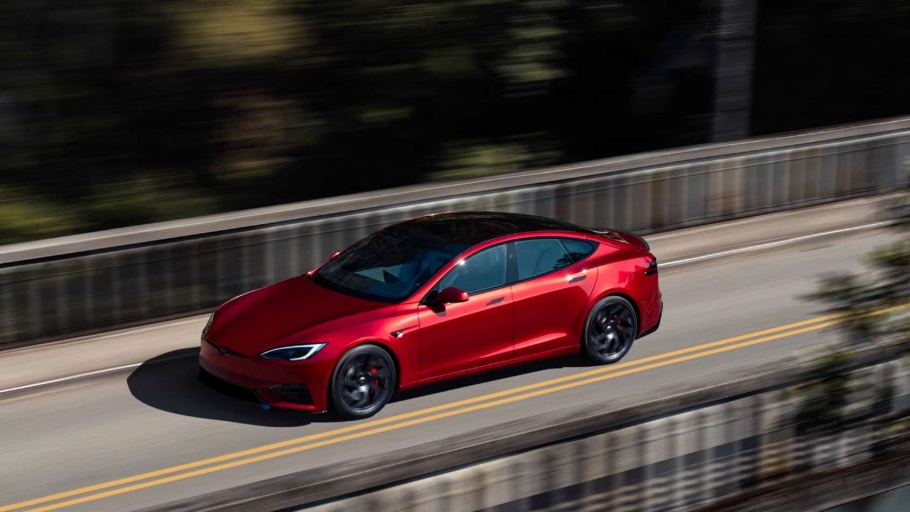
Tesla Model S and X Production Halted, Elon Musk Opts to Build Robots
01 February 2026, 09:00 WIB
EV battery waste processing infrastructure is needed as electric vehicle adoption targets accelerate.

KatadataOTO – Last year, the Indonesian government reportedly set an ambitious target regarding the electric vehicle population in the country.
Through the Ministry of ESDM (Energy and Mineral Resources), the target is two million unit electric cars plus 13 million electric motorcycles on the road by 2030. The total is 15 million battery-based environmentally friendly vehicles.
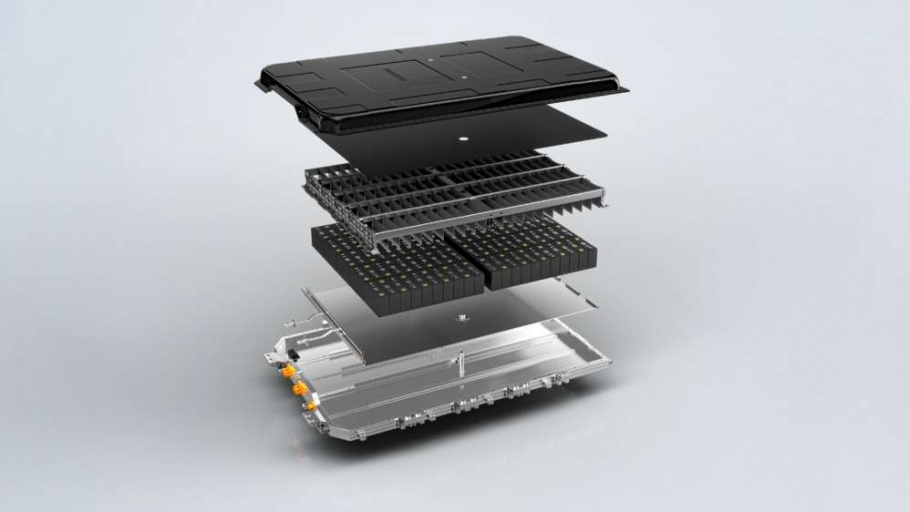
However, besides accelerating the adoption of electric cars and motorcycles, the government still needs to pay attention to one more thing, which is how to handle battery waste. Because the infrastructure is not yet available.
“We are aware that in three to four years, there might be a lot of used batteries from EVs. We want to recycle the batteries,” said Ary Sudjianto, Deputy for Climate Change Control and Carbon Economic Value Governance of KLH/BPLH at the JAMA Oil Lube Seminar, Monday (10/03).

He emphasized that with the high target for the number of electric vehicles in 2030, battery waste will also increase. Therefore, the government needs to immediately think about battery waste management.
According to Ary, there is already infrastructure for processing conventional batteries, involving a number of industries.
Unfortunately, the same is not yet available for electric vehicle batteries. This is becoming a crucial problem as the EV (Electric Vehicle) population in the country grows.
“We will discuss the policy, talk about how we handle EV batteries. This is bigger than conventional battery waste,” Ary emphasized.
For your information, last year it was revealed that the government prepared a fund of USD 455 million to subsidize the sale of electric motorcycles, covering 800 new units and 200 converted units from conventional engines.
Meanwhile, for cars, a 10 percent tax incentive was reapplied. Another addition applies to hybrid vehicles but with a smaller rate discount, namely three percent.

Then, the development of charging stations, including in owners' homes, through special prices for upgrading electrical systems and discounted overnight charging rates.
Besides electrification, the government also allocated 11.8 million tons of biodiesel along with the launch of a 35 percent palm oil mixture for biodiesel, also known as B35.
“This program can reduce GHG emissions by about 34.9 million tons of CO2,” said Dadan Kusdiana, Secretary General of the Ministry of ESDM on a different occasion.
Related Articles
01 February 2026, 09:00 WIB
31 January 2026, 19:00 WIB
31 January 2026, 15:00 WIB
30 January 2026, 18:00 WIB
30 January 2026, 13:00 WIB
Latest
02 February 2026, 10:00 WIB
Sales are trailing competitors, and MG declined to elaborate on its sales target for 2026.
02 February 2026, 09:00 WIB
Chery hybrid cars offer more benefits to consumers in Indonesia, making them a popular choice.
02 February 2026, 08:00 WIB
The Police launched Operation Keselamatan Jaya 2026 to curb the number of accidents and traffic violations on the roads.
02 February 2026, 07:00 WIB
Yamaha is confident that the target set by AISI can be achieved this year, with several conditions.
01 February 2026, 17:17 WIB
Toyota FT 86, Vespa Corsa 125, and Toyota Alphard are three of Reza Arap's many vehicles.
01 February 2026, 15:00 WIB
Shell, BP AKR, and Vivo lowered fuel prices for the February 2026 period by varying amounts.
01 February 2026, 13:00 WIB
Toyota Motor Corporation is paying closer attention to its sales in Indonesia, which have significantly declined.
01 February 2026, 11:00 WIB
Toyota group sales break a new record and become the world's best-selling manufacturer in 2025, surpassing Volkswagen.