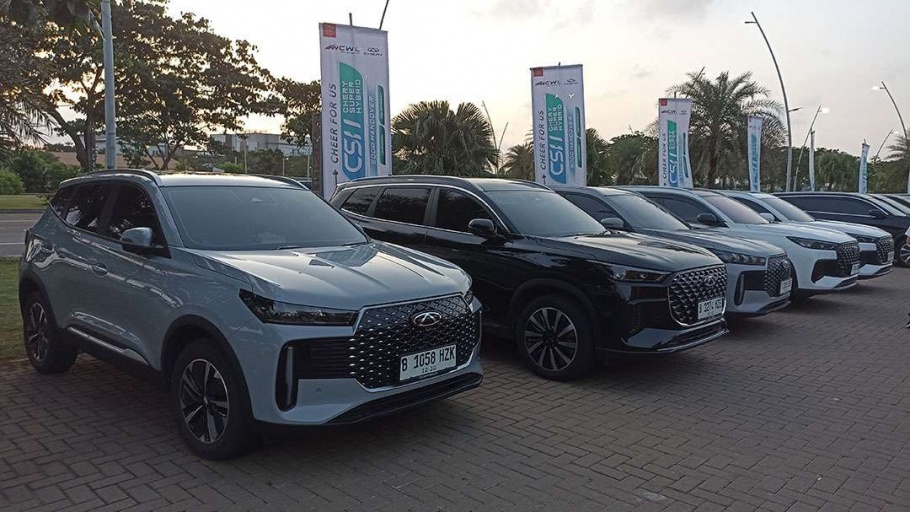
Getting to Know Chery's Hybrid Car Options in Indonesia
02 February 2026, 09:00 WIB
Sparks Debate, Periklindo Deems Loosening of TKDN Rules Necessary to Keep Industry Running

KatadataOTO – Some time ago, Indonesian President Prabowo Subianto revealed his plan to relax the rules regarding TKDN (Tingkat Komponen Dalam Negeri or Local Content Requirement).
Although not specific to the automotive sector, this has drawn responses from various parties and vehicle manufacturers.
“For me, TKDN does need flexibility,” said Moeldoko, Chairman of Periklindo (Indonesian Electric Vehicle Industry Association), on the sidelines of the Kadin ESDM and Katadata Energy Insight Forum in Jakarta, Monday (02/06).
He revealed one example is a domestic geothermal power plant project that was hampered by TKDN regulations.

“Some pulled out because the project couldn't proceed due to TKDN. The reason was that their technology was not yet up to par,” he continued.
As a result, the project was not continued. The parties involved in the project suggested further consideration of the regulations related to TKDN.
However, he emphasized that adjustments to the TKDN provisions must be made seriously and consider various other parties.
Considering that many manufacturers have made massive investments to achieve the TKDN percentage as stipulated by the government.
“Let's not have ministers who are knowledgeable in the sector make the wrong discretionary decisions. So that friends who have already started, pursuing TKDN with unclear rules, don't lose their enthusiasm,” Moeldoko asserted.
For your information, in the automotive sector, TKDN is one of the important criteria for manufacturers if they want to receive incentives or tax cuts from the government.
Specifically for electric cars, a 10 percent VAT subsidy is given if the vehicle has a minimum TKDN of 40 percent.

However, there is a leniency where brands that are still importing can receive similar benefits, provided there is a commitment to invest and produce according to the sales volume of CBU (Completely Built-Up) vehicles or fully imported units from their country of origin.
Meanwhile, hybrid cars receive a smaller tax cut of three percent. Just like EVs (Electric Vehicles), the vehicle must have a TKDN of at least 40 percent.
Several EV models have already received incentives in Indonesia, such as the Hyundai Ioniq 5, Kona Electric, Neta V-II, and BYD Seal. Meanwhile, hybrid cars include the Toyota Kijang Innova Zenix, Suzuki XL7, Ertiga, and Fronx.
Related Articles
02 February 2026, 09:00 WIB
01 February 2026, 09:00 WIB
31 January 2026, 19:00 WIB
31 January 2026, 15:00 WIB
30 January 2026, 18:00 WIB
Latest
02 February 2026, 10:00 WIB
Sales are trailing competitors, and MG declined to elaborate on its sales target for 2026.
02 February 2026, 09:00 WIB
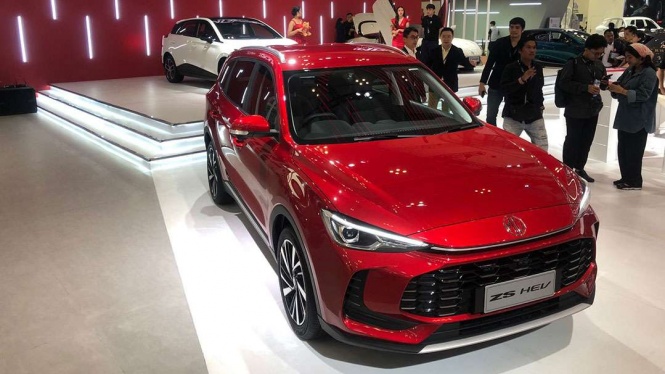
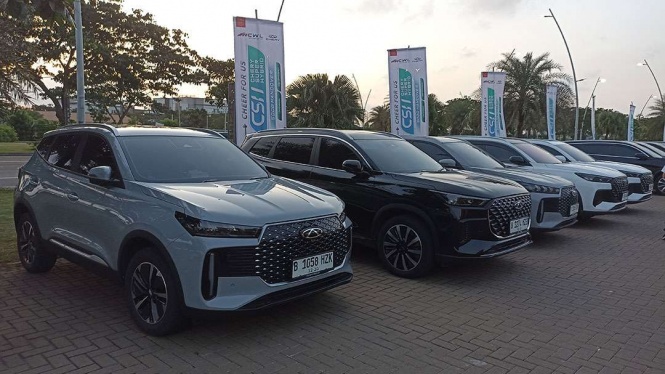
Chery hybrid cars offer more benefits to consumers in Indonesia, making them a popular choice.
02 February 2026, 08:00 WIB
The Police launched Operation Keselamatan Jaya 2026 to curb the number of accidents and traffic violations on the roads.
02 February 2026, 07:00 WIB
Yamaha is confident that the target set by AISI can be achieved this year, with several conditions.
01 February 2026, 17:17 WIB
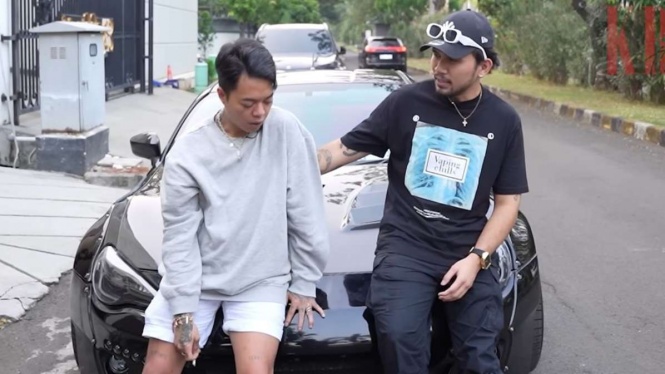
Toyota FT 86, Vespa Corsa 125, and Toyota Alphard are three of Reza Arap's many vehicles.
01 February 2026, 15:00 WIB
Shell, BP AKR, and Vivo lowered fuel prices for the February 2026 period by varying amounts.
01 February 2026, 13:00 WIB
Toyota Motor Corporation is paying closer attention to its sales in Indonesia, which have significantly declined.
01 February 2026, 11:00 WIB
Toyota group sales break a new record and become the world's best-selling manufacturer in 2025, surpassing Volkswagen.