Toyota Reveals Cause of Sales Decline in LCGC Segment
29 January 2026, 12:00 WIB
Audio Plus Indonesia did not feel the impact of the decline in new car sales during the 2025 period.


By Satrio Adhy
KatadataOTO – Indeed, the new car market in Indonesia experienced a slowdown in 2025. Various obstacles hindered the pace of the domestic automotive industry.
Examples include the weakening economic conditions of the lower-middle class, tightening credit, and the plummeting exchange rate of the rupiah against the US dollar.
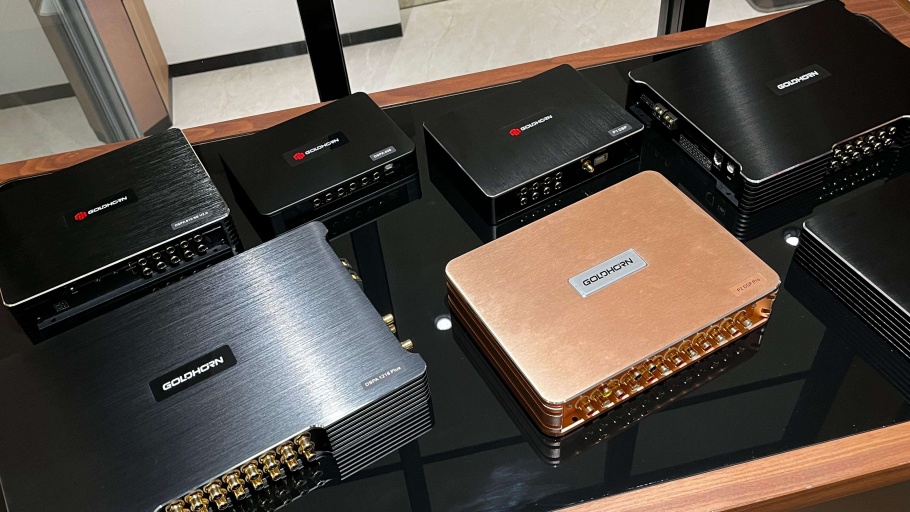
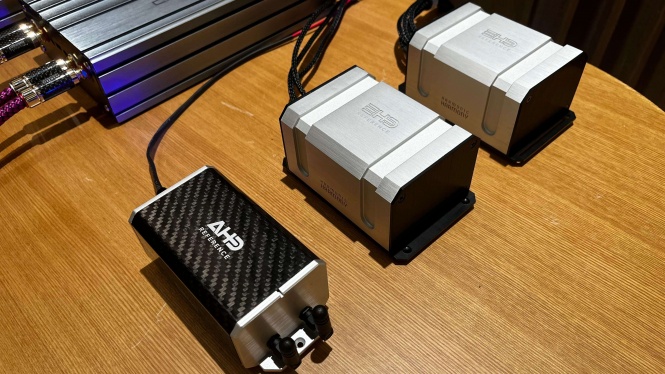
This condition was certainly felt by many parties. However, not for Audio Plus Indonesia, the producer of Harmonic Harmony to Goldhorn.

They claim to have reaped sweet results throughout 2025, despite the overall decline in new car sales.
“I don't know about the audio industry as a whole, because I don't have the data. But for us, Audio Plus grew domestically,” said Andreas Tjahjadi, CEO of Audio Plus Indonesia in West Jakarta some time ago.
Andre also expressed his gratitude that they still recorded a positive performance in the domestic market last year.
Although he did not mention the growth figures, Andre stated that the sales of Audio Plus Indonesia continued to increase.
“So from 2023, 2024 to 2025 we grew, but not by much, and we didn't decline either for the domestic market,” Andre continued.
Andre only explained that their sales for the domestic market increased by under 10 percent.
Furthermore, it was mentioned that Audio Plus also recorded very good sales for markets outside Indonesia throughout 2025.
The demand for Audio Plus Indonesia's car audio products abroad is quite high and continues to grow over time.
“Internationally, from 2024 to 2025 we grew 2.5 times. So there was a 250 percent increase,” Andre affirmed.
This is certainly a positive thing, considering the sluggish new car sales have a wide-ranging impact. Especially for entrepreneurs in the four-wheeled vehicle components sector.
For your information, according to data from the Association of Indonesia Automotive Industries (Gaikindo), retail sales of new cars in 2025 reached 833,692 units.
Meanwhile, the number of shipments from factories to dealers (wholesales) was only at 803,687 units.
Looking further, retail sales last year decreased by about 6.3 percent compared to 889,680 units in 2024.
Meanwhile, the wholesales figure also dropped by 7.2 percent. This is because the previous year managed to record 865,723 units.
1
2
3
4
5
Related Articles
29 January 2026, 12:00 WIB
28 January 2026, 17:00 WIB
28 January 2026, 15:00 WIB
28 January 2026, 11:00 WIB
28 January 2026, 09:00 WIB
Latest
30 January 2026, 10:00 WIB
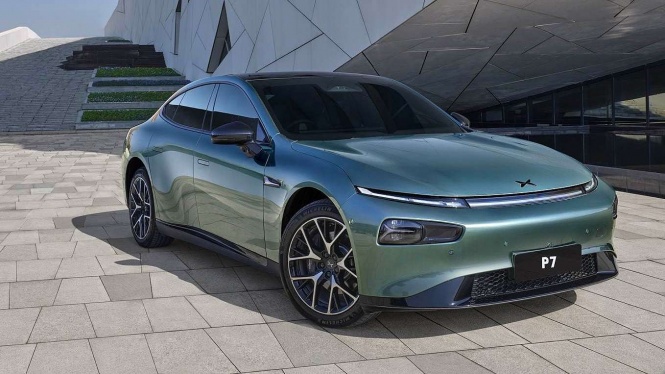
The Xpeng P7 is a new electric sedan option for Indonesian consumers, here's a summary of its specifications.
30 January 2026, 09:00 WIB
The Mitsubishi New Pajero Sport is widely chosen by the public to be a loyal companion on every journey.
30 January 2026, 08:00 WIB
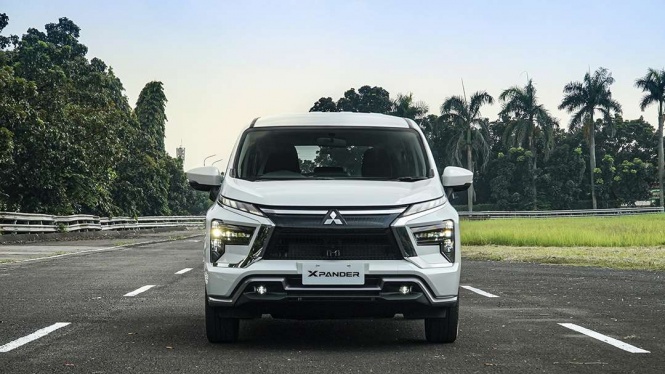
Consumers can take advantage of the new Mitsubishi Xpander discount to own a new car and use it during Lebaran.
29 January 2026, 21:00 WIB
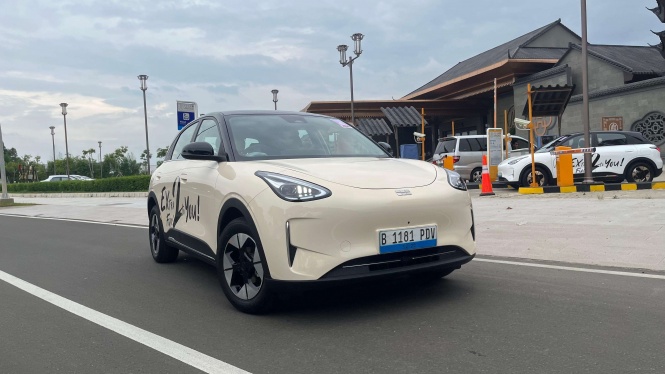
The Geely EX2 could be an electric car option for urban dwellers, as it offers many advantages.
29 January 2026, 20:00 WIB
Vietnam was chosen by BYD as the location to assemble electric vehicle batteries, for both passenger and commercial vehicles.
29 January 2026, 19:08 WIB
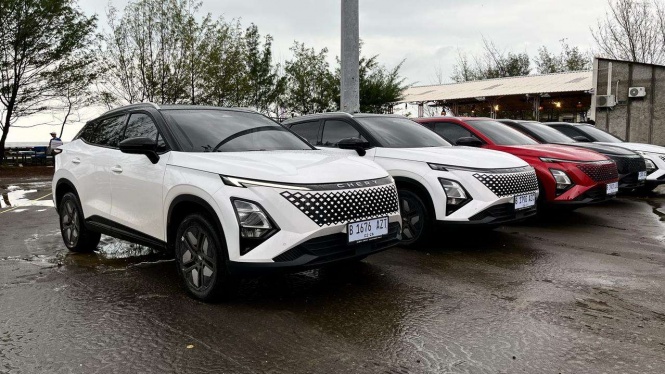
Still collaborating with PT Handal Indonesia Motor, Chery aims for its independent factory to be operational next year.
29 January 2026, 14:00 WIB
Charged Maleo S is set to be one of the new electric motorcycles in 2026, featuring developments from its predecessor.
29 January 2026, 13:00 WIB
Canada lowered import tariffs on Chinese electric vehicles, from an initial 100 percent to just 6.1 percent.