Tesla Model S and X Production Halted, Elon Musk Opts to Build Robots
01 February 2026, 09:00 WIB
A prolonged electric car price war could potentially harm consumers.

By Satrio Adhy
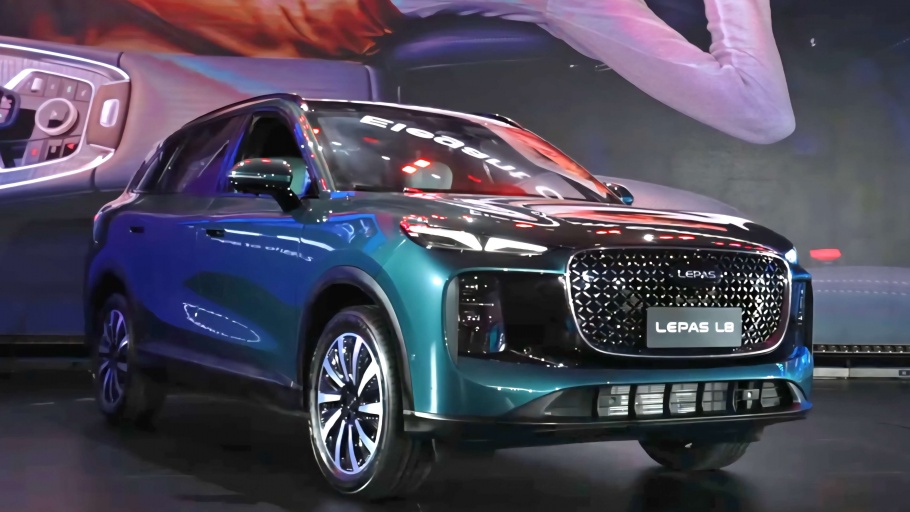
KatadataOTO – There are various ways manufacturers use to attract more consumers. One of them is competing to market cars with cheap price tags.
Usually this price war is carried out by producers of electric cars. Because it is considered effective for tempting the public.
However, this method does not always bring positive impacts. Especially for the targeted consumers.
“Regarding the price war, from a consumer's point of view, it can indeed be contradictory,” said Josua Pardede, Chief Economist of Permata Bank to KatadataOTO some time ago.
According to Josua, the price war implemented by Electric Vehicle (EV) producers can indeed benefit consumers at first.
However, if this is done in the long term, it is predicted to push manufacturers to make adjustments. Such as cutting features and the quality of their products.
“This is to maintain margins and reduce resale value because the price of (new cars) in the market becomes suppressed,” continued Josua.
If a decrease in quality or features occurs for the sake of slashing new car prices, consumers will certainly feel disadvantaged.
Considering the resale value depreciation of four-wheeled vehicles already purchased by the public becomes faster.
“This phenomenon, if prolonged, could reduce consumer confidence in the new car market in general,” Josua emphasized.
For your information, the price war is not only happening in China. However, in recent times, it can also be found in Indonesia.
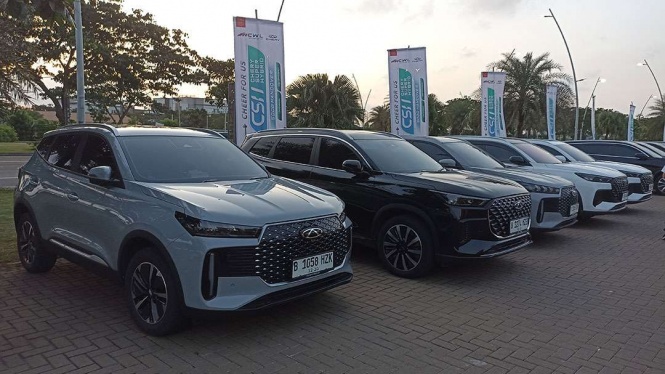
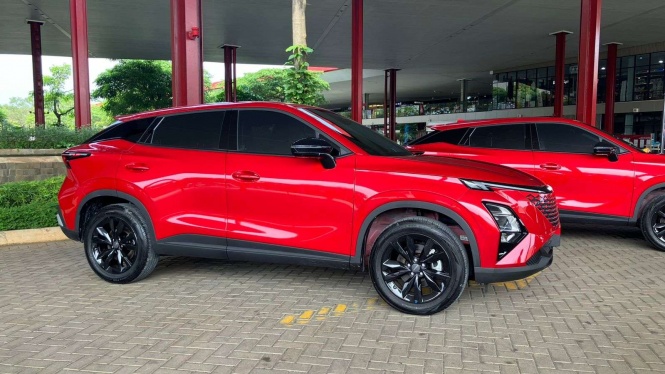
For example, it is being implemented by Chery Sales Indonesia (CSI). The Omoda E5, when launched in February 2024, was priced at Rp 498.8 million On The Road (OTR) Jakarta.
Now they have dropped the Omoda name, so the product is only called Chery E5. Then for the cheapest variant, the Pure, it is sold for Rp 369.9 million, while the regular type is Rp 399.9 million.
This means the price drop for this Chery car ranges from Rp 98.9 million to Rp 129 million.
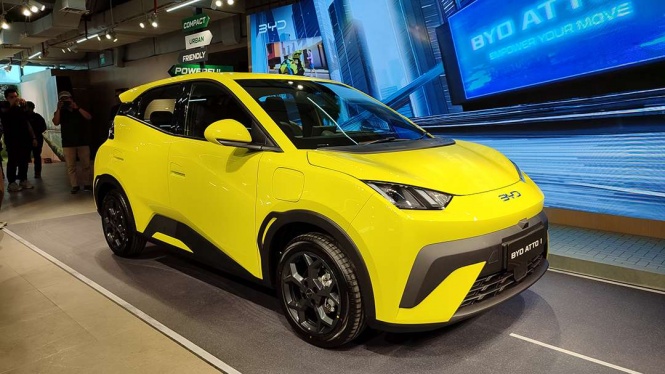
Then now many manufacturers are offering electric cars in the Rp 100 million price range. For example, the BYD Atto 1 is sold for Rp 195 million for the lowest variant.
Next, there is also the Seres E1 which tempts consumers in the country, as it is sold at around Rp 189 million.
Not to be left out, the Wuling Air ev is priced at Rp 184 million for the Lite Standard Range variant. Meanwhile, the Long Range type can be had for Rp 195 million.
Related Articles
01 February 2026, 09:00 WIB
31 January 2026, 19:00 WIB
31 January 2026, 17:00 WIB
31 January 2026, 15:00 WIB
30 January 2026, 18:00 WIB
Latest
02 February 2026, 10:00 WIB
Sales are trailing competitors, and MG declined to elaborate on its sales target for 2026.
02 February 2026, 09:00 WIB
Chery hybrid cars offer more benefits to consumers in Indonesia, making them a popular choice.
02 February 2026, 08:00 WIB
The Police launched Operation Keselamatan Jaya 2026 to curb the number of accidents and traffic violations on the roads.
02 February 2026, 07:00 WIB
Yamaha is confident that the target set by AISI can be achieved this year, with several conditions.
01 February 2026, 17:17 WIB
Toyota FT 86, Vespa Corsa 125, and Toyota Alphard are three of Reza Arap's many vehicles.
01 February 2026, 15:00 WIB
Shell, BP AKR, and Vivo lowered fuel prices for the February 2026 period by varying amounts.
01 February 2026, 13:00 WIB
Toyota Motor Corporation is paying closer attention to its sales in Indonesia, which have significantly declined.
01 February 2026, 11:00 WIB
Toyota group sales break a new record and become the world's best-selling manufacturer in 2025, surpassing Volkswagen.